Vector Management Service
Vector inspection guidelines: Inspecting a vector as a pest involves identifying, observing behavior, understanding life cycle, considering environmental factors, monitoring populations, assessing risks, implementing control measures, emphasizing prevention, following regulations, and documenting findings.
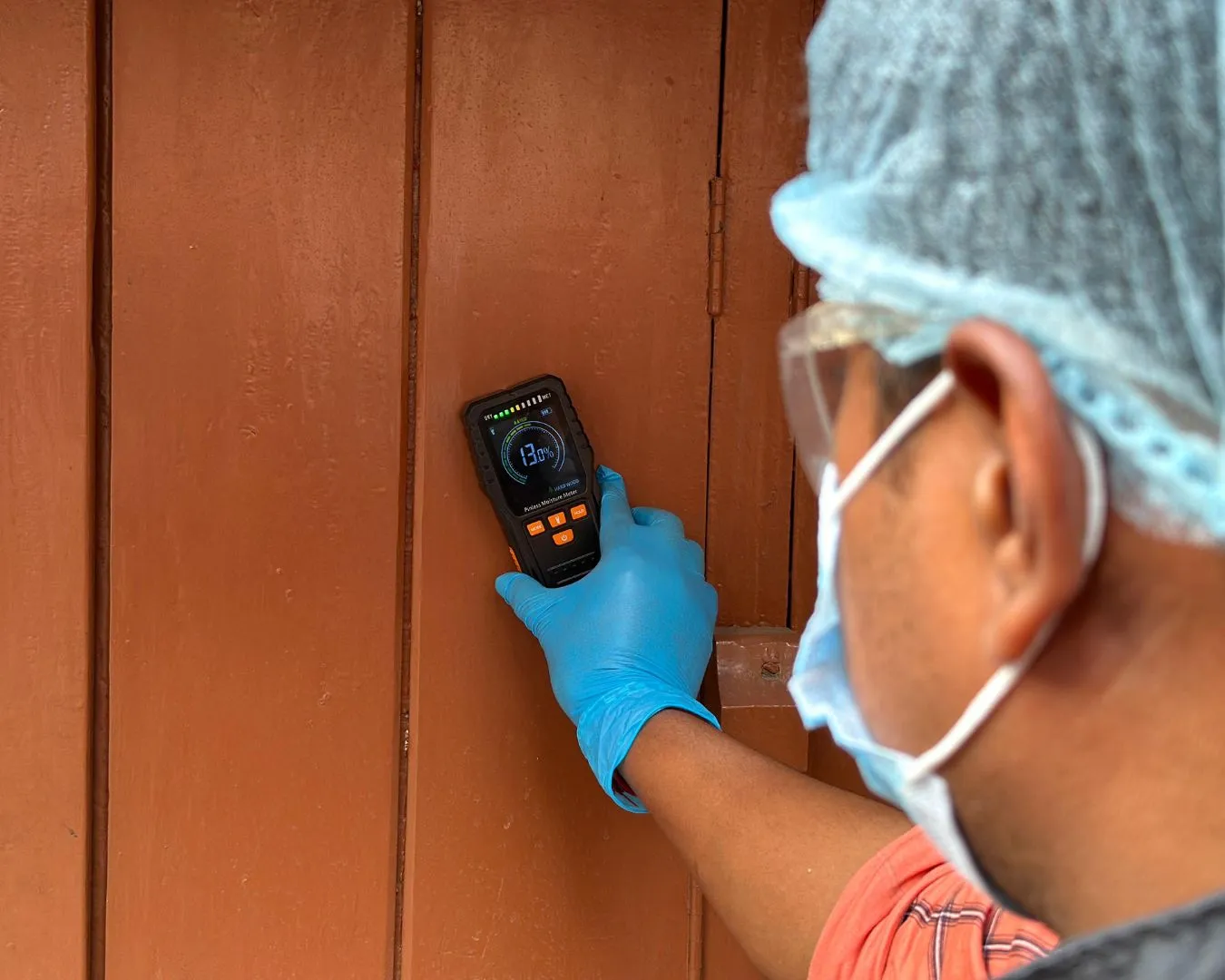
Tools for inspection: The tools for inspecting vectors as pests include magnifying glasses, traps, pheromone lures, and UV light traps. These tools help in identification, monitoring, and control of vector pests.
Do:Conduct regular inspections.Educate customers about pests and prevention.Implement integrated pest management (IPM).Communicate effectively.Provide excellent customer service.Follow regulations.Don't:Ignore customer complaints.Rely solely on chemical controls.Overpromise results.Neglect follow-up.Compromise safety.
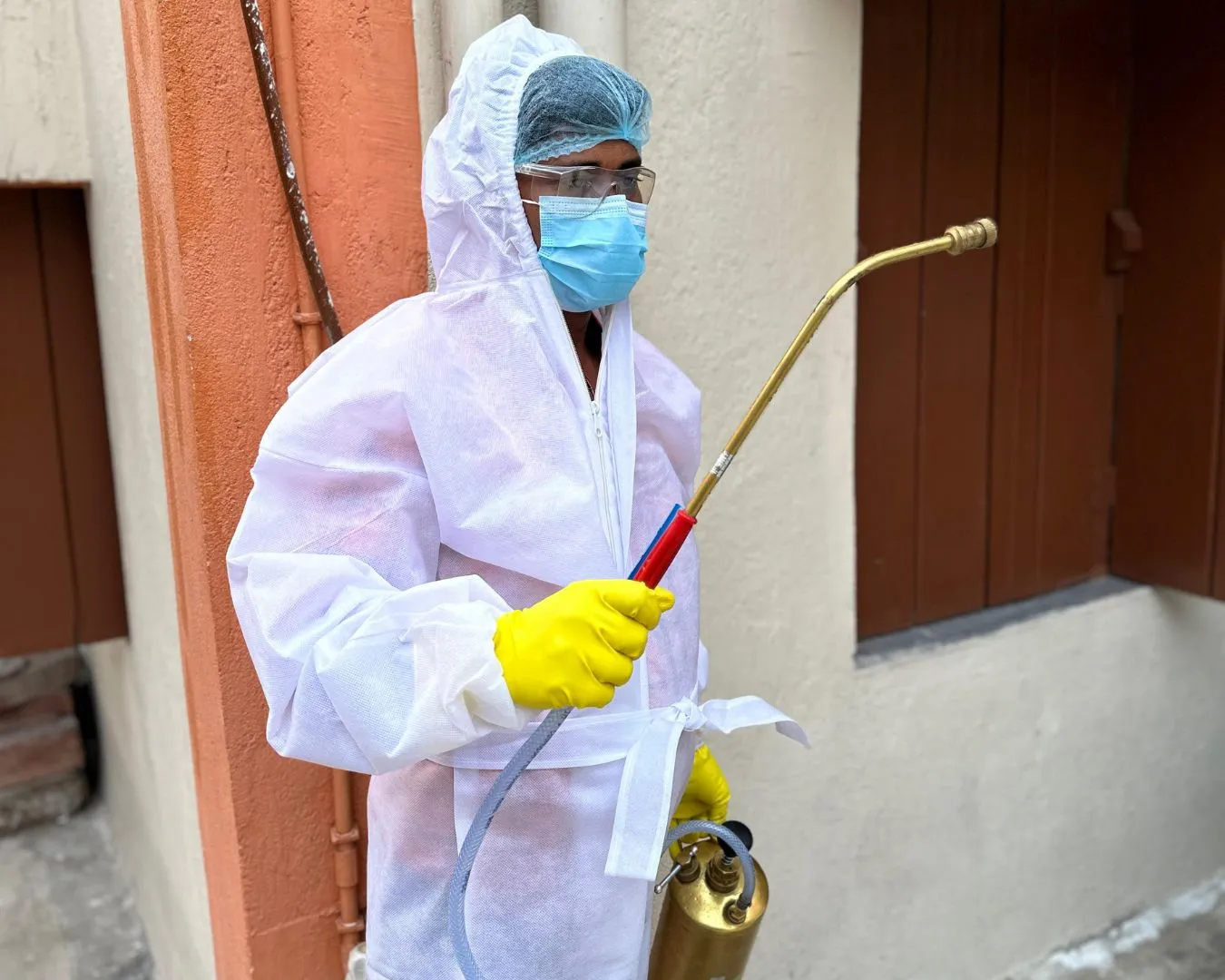
Treatment:Modify habitats to eliminate breeding sites.Use repellents and screens to deter them from entering buildings.Manage waste properly to reduce breeding sites.Implement control programs like insecticide spraying.Use personal protection measures like nets and repellents.Educate communities about vector control.