Snake Management Service
Vector inspection guidelines: Inspection for snakes typically involves visually scanning areas where snakes may hide or seek shelter, such as tall grass, woodpiles, rock formations, and dark, secluded spaces. Additionally, monitoring devices such as snake traps or cameras can be used to detect snake activity in hard-to-reach areas. It's essential to have knowledge of snake behavior and preferred habitats to effectively conduct inspections and mitigate potential encounters.
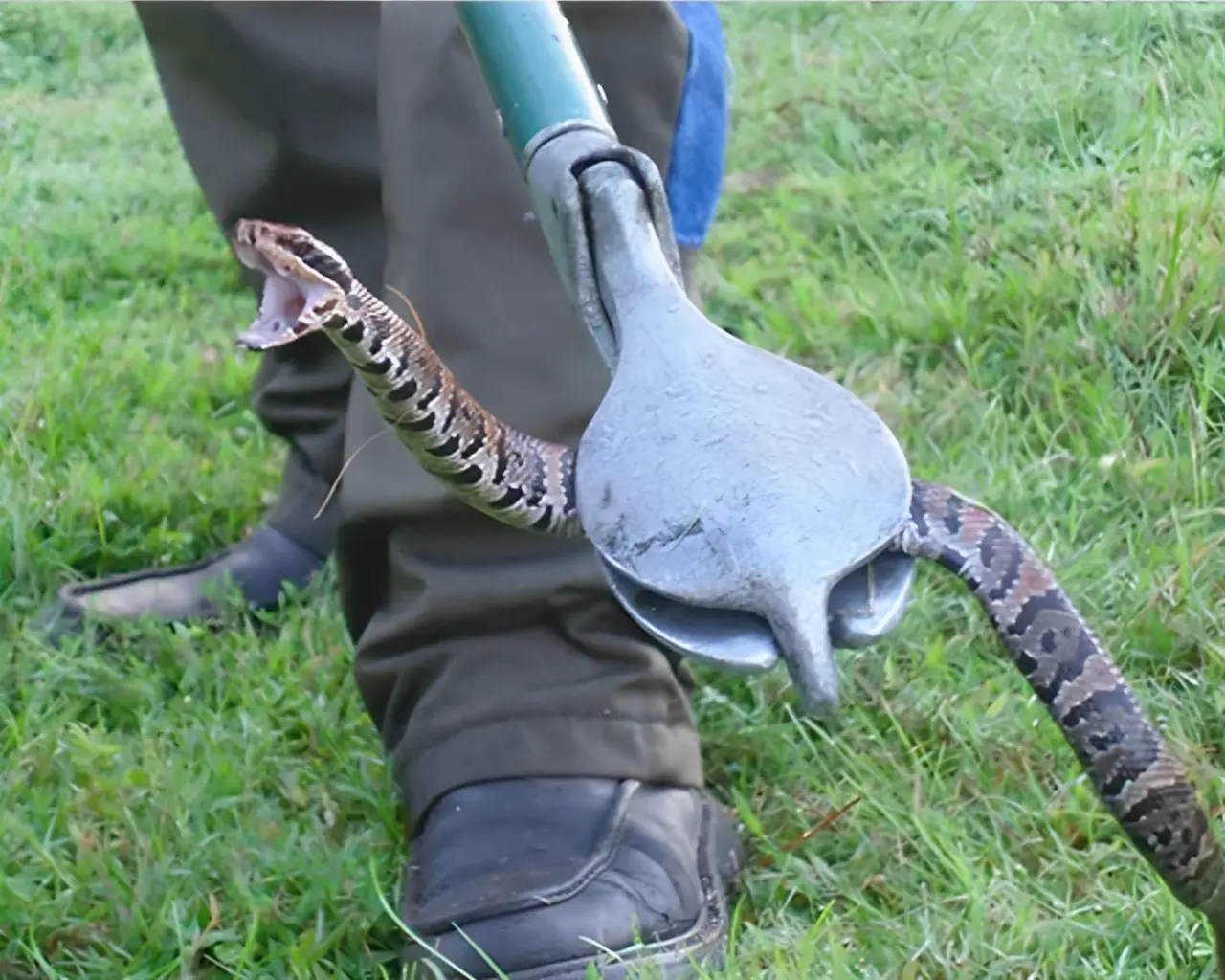
Tools for inspection: One common inspection tool for detecting snake activity is a snake hook, which allows inspectors to safely lift objects or move vegetation to check for hidden snakes. Additionally, snake tongs can be used to safely capture and relocate snakes encountered during inspections. For monitoring snake movements, motion-activated cameras can be deployed in areas of concern. Snake traps, such as glue boards or funnel traps, can also be set up to capture snakes for removal or relocation.
Do:Keep surroundings clear.Secure entry points.Maintain cleanliness.Be alert.Educate yourself.Don't:Handle snakes.Ignore signs of infestation.Use harmful repellents.Overlook maintenance.Panic.
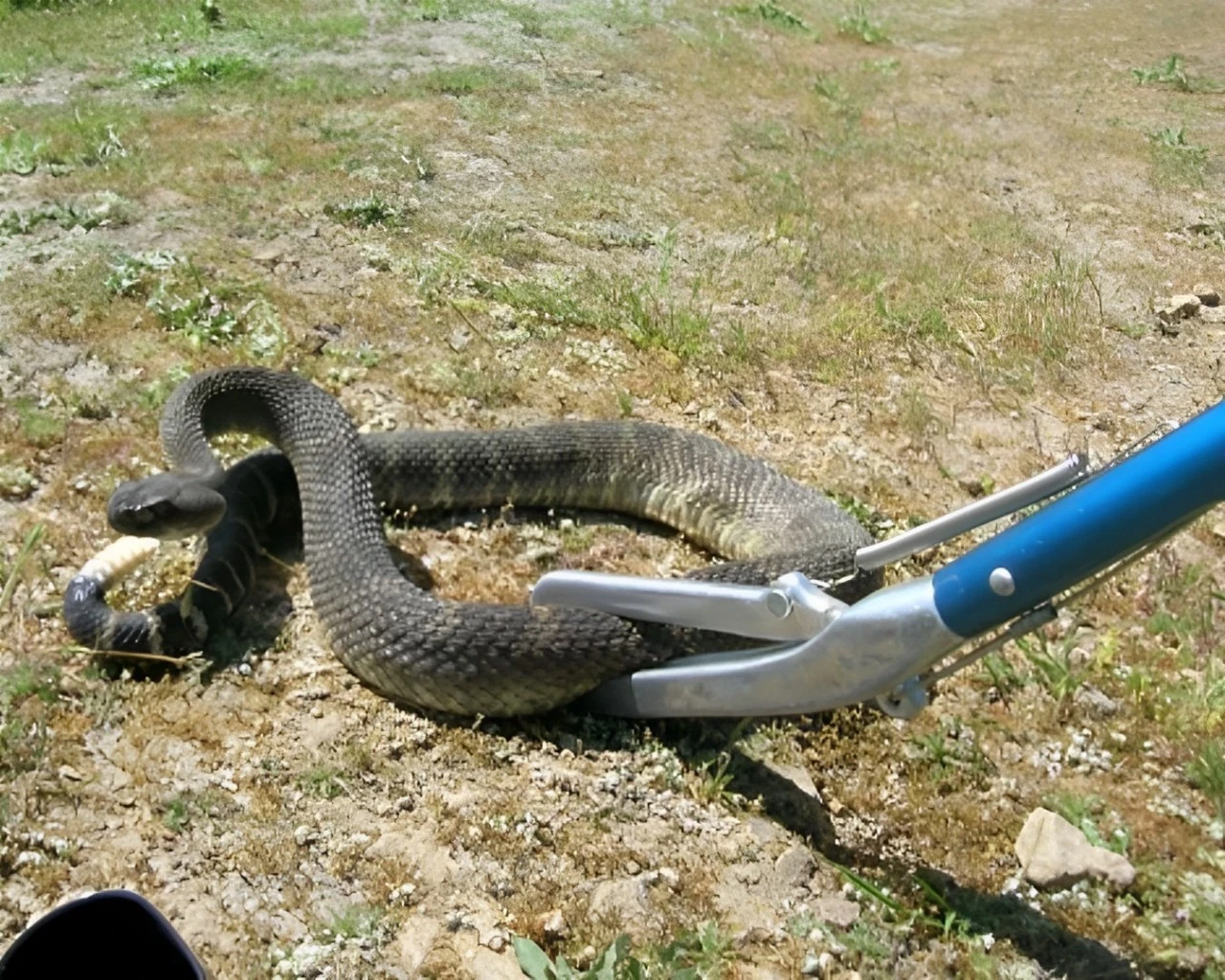
Treatment: Remove debris, tall grass, and piles of wood or rocks where snakes may hide or nest Close gaps under doors, around pipes, and in foundations to prevent snakes from entering buildings.Keep outdoor areas clean and tidy to reduce potential food sources and hiding spots for snakes.Cut back overgrown vegetation around your property to minimize hiding spots for snakes.Use snake-proof fencing to create barriers and deter snakes from entering your property.Learn about local snake species and their habits to better understand how to prevent encounters.