Seasonal Pest Control Service
ISpider inspection guidelines: Inspecting for winter seasonal pests involves thorough examinations of both the interior and exterior of your home. Here's a checklist for effective inspection: Interior Inspection:Check for signs of rodent activity such as droppings, gnaw marks, and nesting materials. Look for gaps or openings where pests could entire Inspect for moisture issues, as damp areas can attract pests. Look for signs of insect activity such as ant trails or termite damage.Examine food storage areas for signs of pests like rodents, insects, and pantry pests. Check for spilled food, crumbs, and damaged packaging. Inspect around water heaters, furnaces, and other appliances for signs of pests or nesting materials. Look for gaps or openings where pests could enter.Check for signs of bed bugs, such as blood spots on bedding or mattresses, shed skins, or live bugs. Inspect upholstered furniture and curtains for signs of pests.Exterior Inspection:Inspect the foundation of your home for cracks, gaps, or openings where pests could enter. Seal any openings with caulk or other appropriate sealants. Check for signs of pest activity such as droppings, nesting materials, or damage to siding or trim. Look for gaps around windows, doors, and vents.Inspect the roof and eaves for signs of pest entry, such as damaged or missing shingles, gaps in the soffit or fascia, or signs of bird or rodent nesting.Clean gutters regularly to prevent debris buildup, which can attract pests. Ensure downspouts are directed away from the foundation to prevent water pooling.inspect sheds, garages, and other outdoor storage areas for signs of pests such as rodents, insects, or wildlife. Remove clutter and store items off the ground when possible. Trim trees, shrubs, and bushes away from the house to prevent pests from using them as a bridge to access your home. Remove leaf litter and debris from the yard.Regular inspections, both indoors and outdoors, are essential for early detection and prevention of winter seasonal pests. Addressing any issues promptly can help prevent infestations and protect your home and family.
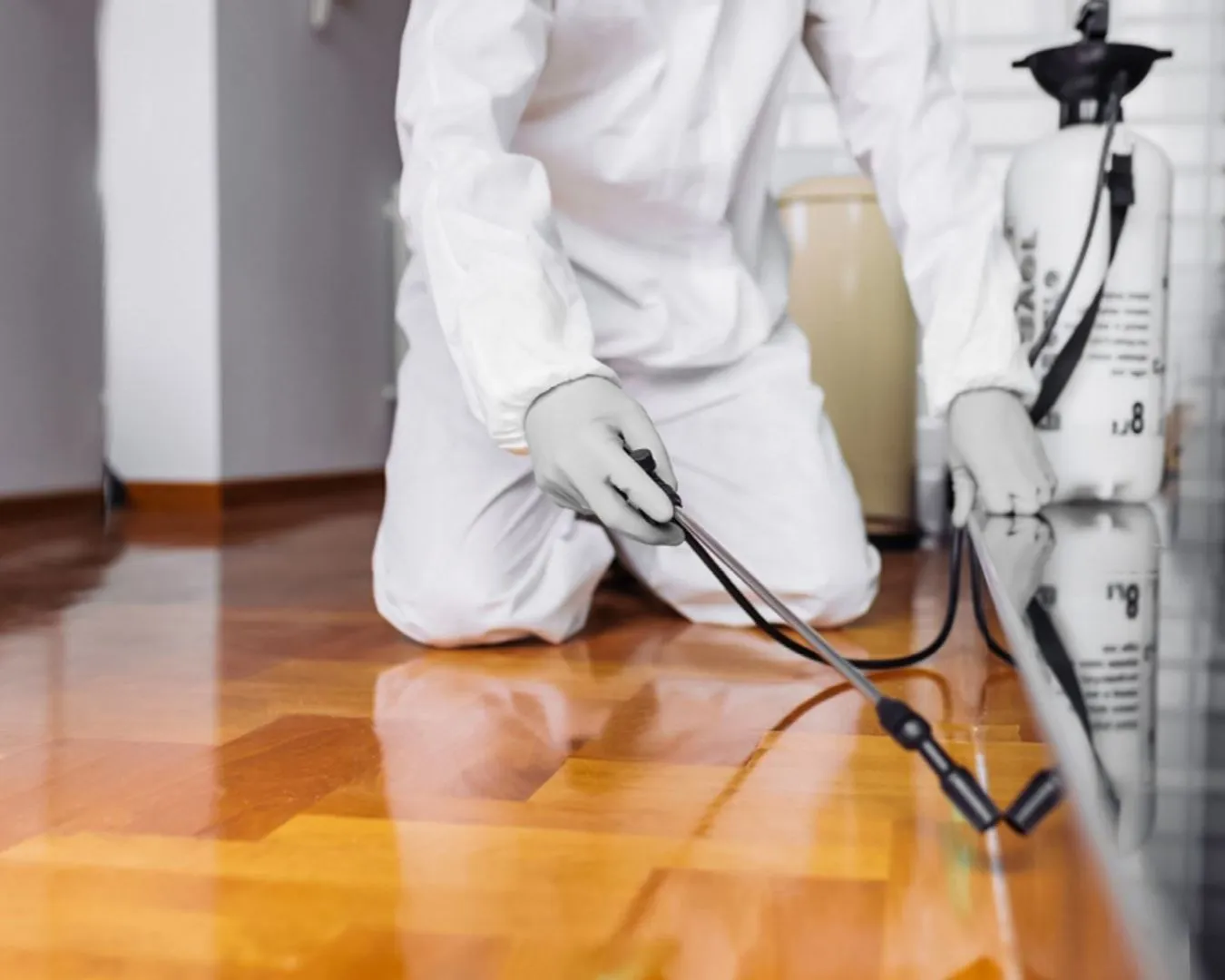
Tools for inspection: Tools for inspecting seasonal pests include flashlights, magnifying glasses, traps, moisture meters, sealants/caulks, insecticides, and professional pest control services. Regular inspections and maintenance are crucial for preventing infestations.
Do's: Keep food sealedMaintain cleanliness,Seal entry points ,inspect regularly,Use trapsMonitor moistureSeek professional help if needed. Don'ts: Leave food outIgnore signs of infestation,Rely solely on insecticides,Neglect outdoor areas,Underestimate the problem,Overuse DIY methods,Hesitate to ask for professional help
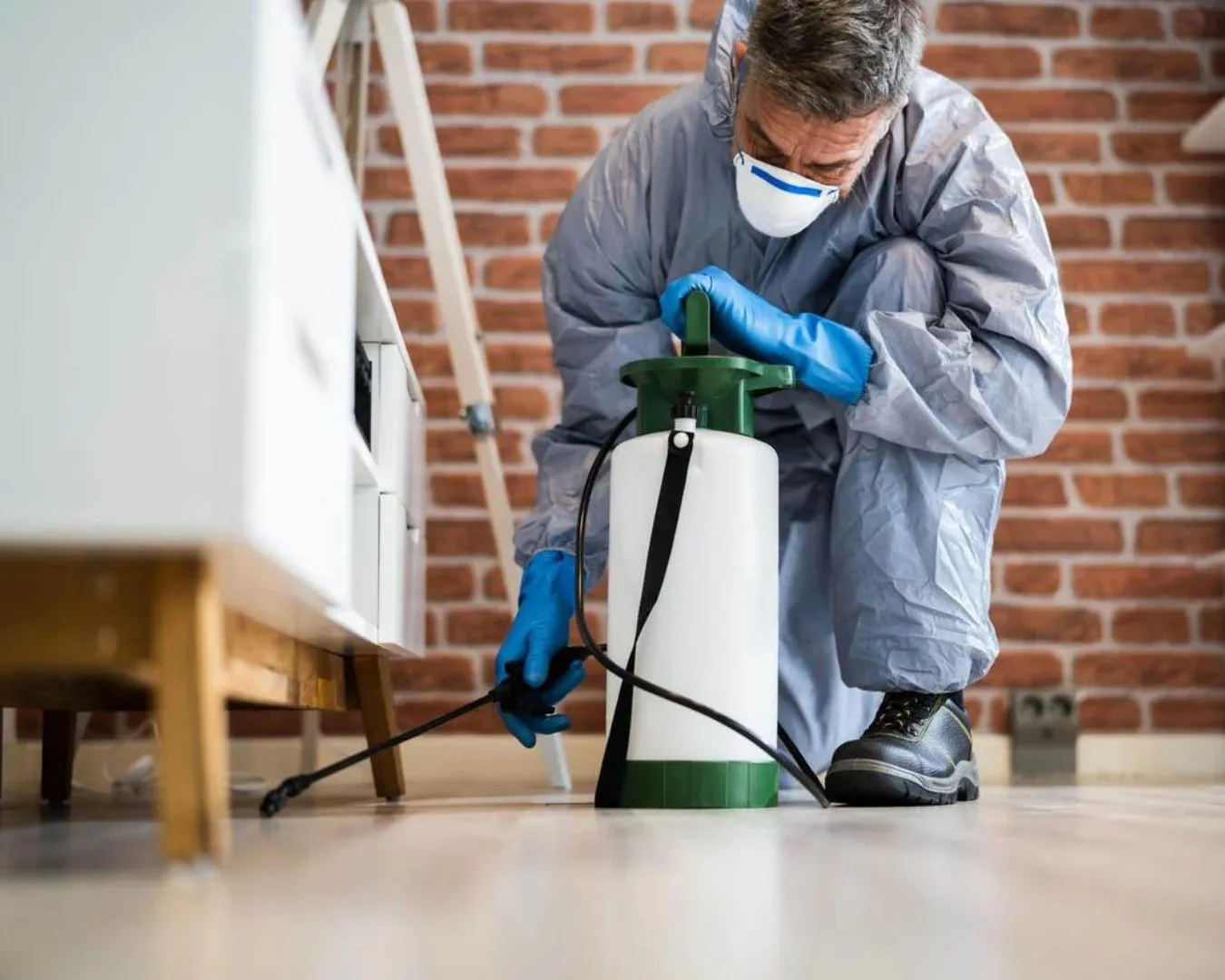
Treatment: Seal cracks, gaps, and openings around doors, windows, pipes, and utility lines to prevent pests from entering your home. Keep your home clean and free of clutter, especially in areas like kitchens, pantries, and storage areas where pests are attracted to food sources.Store food in airtight containers made of glass, metal, or heavy plastic to prevent pests like rodents and insects from accessing it. Keep trash in sealed bins and take it out regularly to avoid attracting pests like rodents and flies. Regularly inspect your home for signs of pest activity, such as droppings, gnaw marks, and nests, and promptly repair any damage to prevent further entry.Address any leaks or excess moisture in your home, as pests are attracted to damp environments. Use dehumidifiers in basements and crawl spaces if necessary.Trim trees, shrubs, and bushes away from your home to prevent pests from using them as a bridge to access your house.Install screens on windows, vents, and chimney openings to prevent pests from entering your home while allowing for proper ventilation. Set up traps indoors and outdoors to monitor and capture pests before they become a larger problem. Dispose of captured pests properly.Keep up with routine maintenance tasks such as repairing damaged screens, cleaning gutters, and trimming overgrown vegetation to minimize pest habitats.By following these preventive measures, you can reduce the likelihood of winter seasonal pests infesting your home and avoid the need for costly pest control treatments.