Rodent Control Service
Rodent inspection guidelines: Inspect for droppings, gnaw marks, nests, tracks, and burrows. Look for small, dark droppings in corners, chewed packaging, shredded materials for nests, footprints, and smudge marks. Check for burrow holes around the foundation. Watch for signs like grease marks and pathways in grass. Address promptly to prevent infestations.
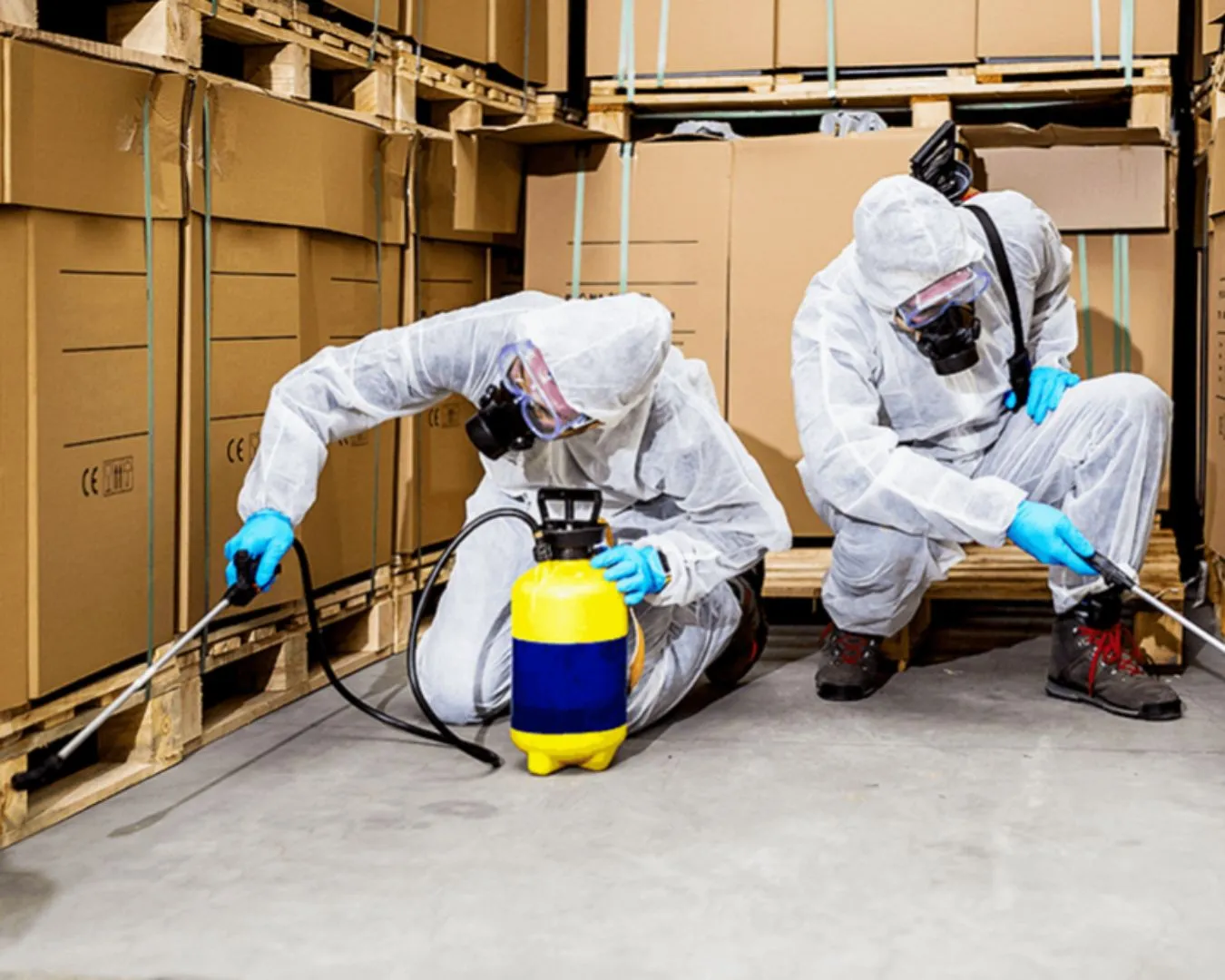
Tools for inspection: Inspection of rodents include flashlight, mirror, traps, UV light, tracking powder, moisture metre, endoscope, thermal camera, scent detectors, and binoculars. These aid in detecting signs of rodent activity, nests, and entry points, facilitating effective pest control measures.
Do:Contact pest control for infestations. Seal food tightly. Clean promptly. Seal entry points. Keep outdoor areas tidy. Follow professional advice. Don't:Leave food out. Handle traps without protection. Ignore signs of infestation. Try DIY remedies without advice. Feed wild rodents. Store food in easily accessible containers.
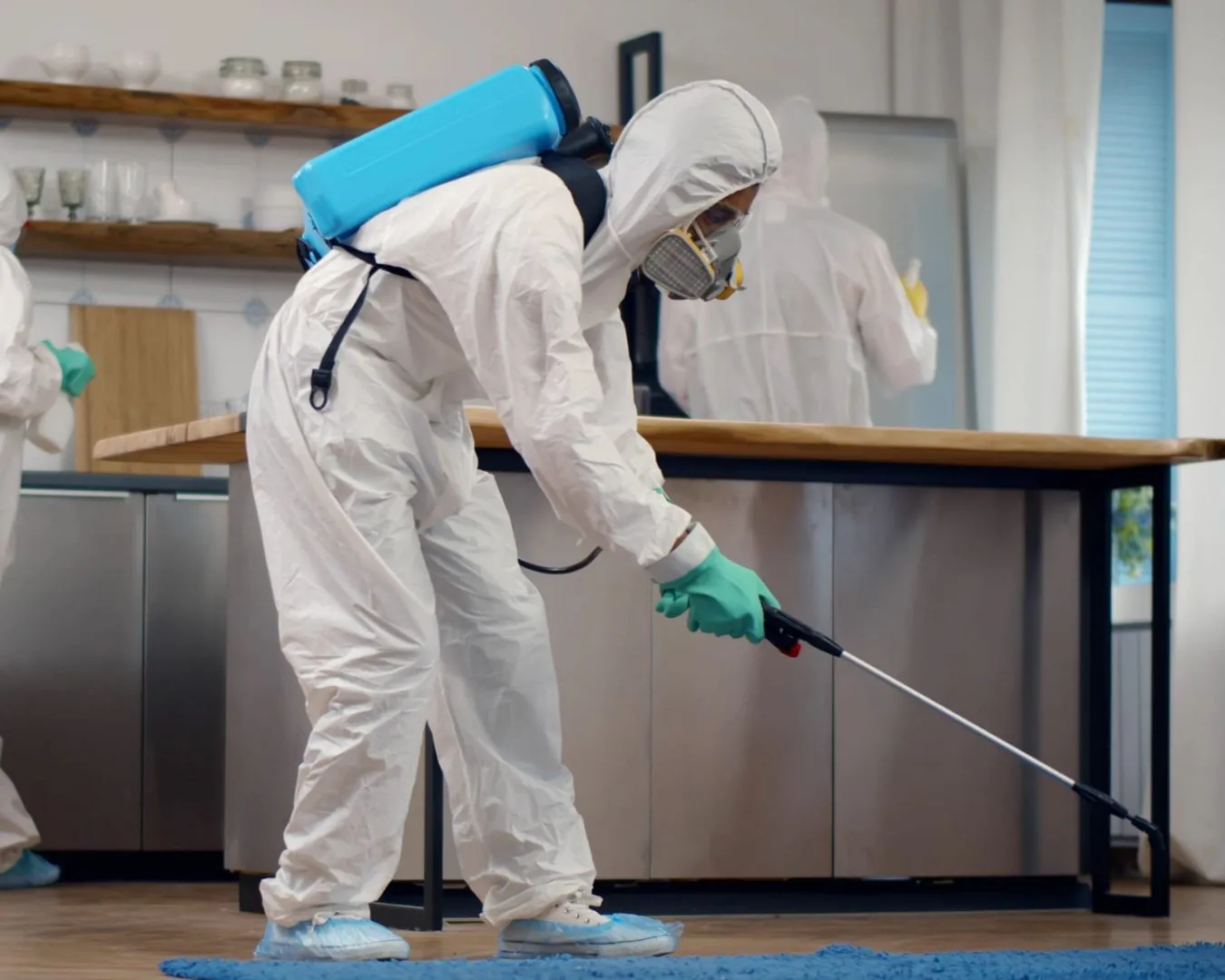
Treatment: Preventing rodent infestations requires sealing cracks and holes in buildings, keeping food stored in airtight containers, maintaining cleanliness, and removing clutter. Regularly inspecting both indoor and outdoor areas for signs of rodents, such as droppings or gnaw marks, is crucial. Additionally, employing traps or seeking professional pest control help can be effective deterrents.