Mosquito Management Service
Mosquito inspection guidelines: Mosquito inspection guidelines typically involve checking for standing water where mosquitoes breed, such as flower pots, bird baths, and clogged gutters. Additionally, inspecting for any areas of stagnant water, like puddles or containers, is important. Regularly emptying and cleaning these areas can help prevent mosquito breeding and reduce the risk of mosquito-borne diseases.
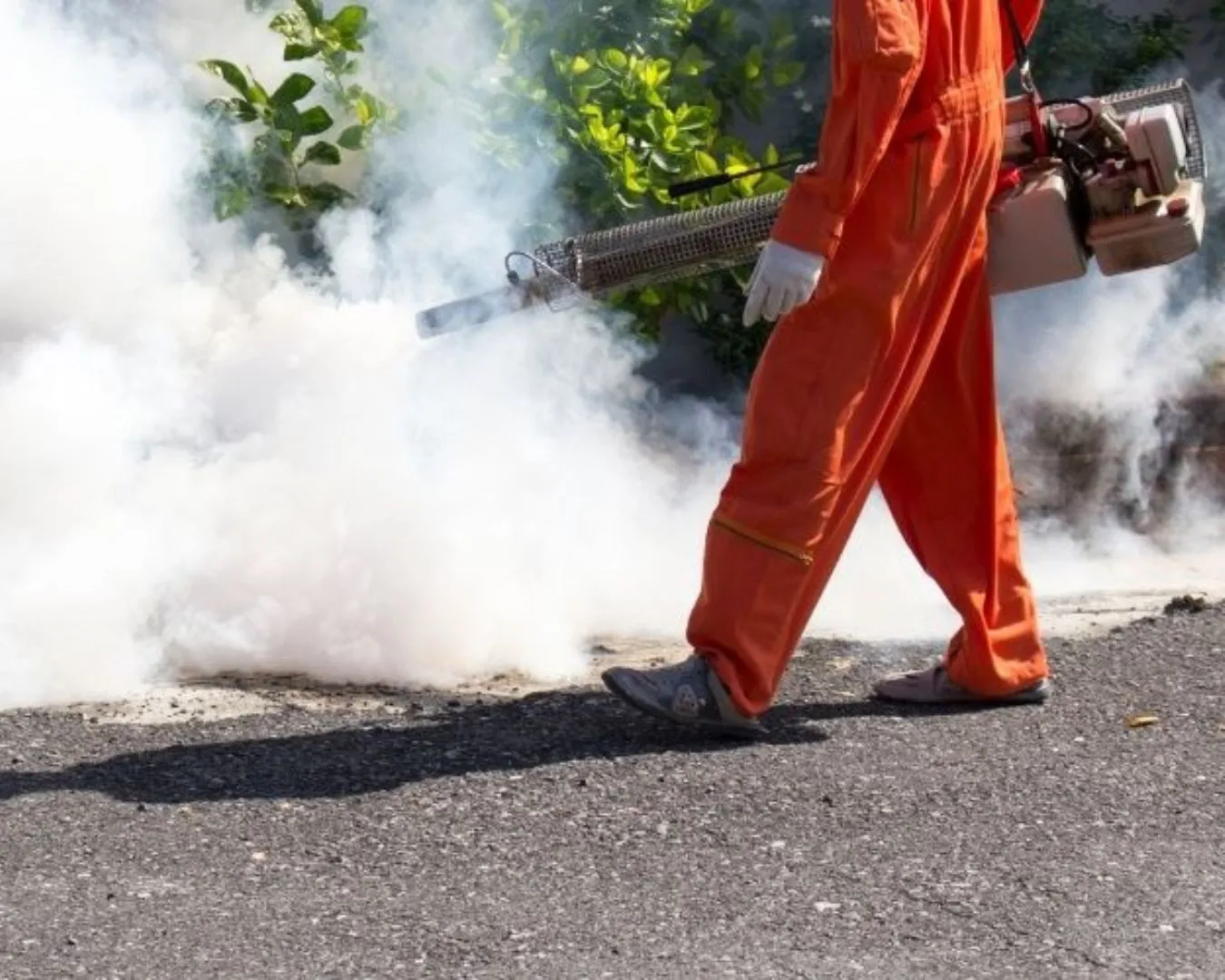
Tools for inspection: Mosquito inspection tools include traps, magnifying lenses, flashlights, insect nets, thermometers, and data recording devices. Traps attract mosquitoes, while lenses and nets aid in identification and capture. Flashlights help locate mosquitoes, and thermometers monitor environmental conditions. Data recording devices document surveillance data for analysis and control measures.
Do's:Use mosquito repellent.Wear long-sleeved clothing and pants.Install window screens and bed nets.Eliminate standing water where mosquitoes breed.Use mosquito traps or insecticides.Keep outdoor areas clean and tidy to reduce hiding spots for mosquitoes.Consider using natural repellents like citronella.Don'ts:Don't leave stagnant water around your home.Don't leave doors or windows open without screens.Don't ignore bites; they could lead to infections.Don't rely solely on candles or ultrasonic devices; they may not be effective.Don't hesitate to seek professional help if the infestation is severe.
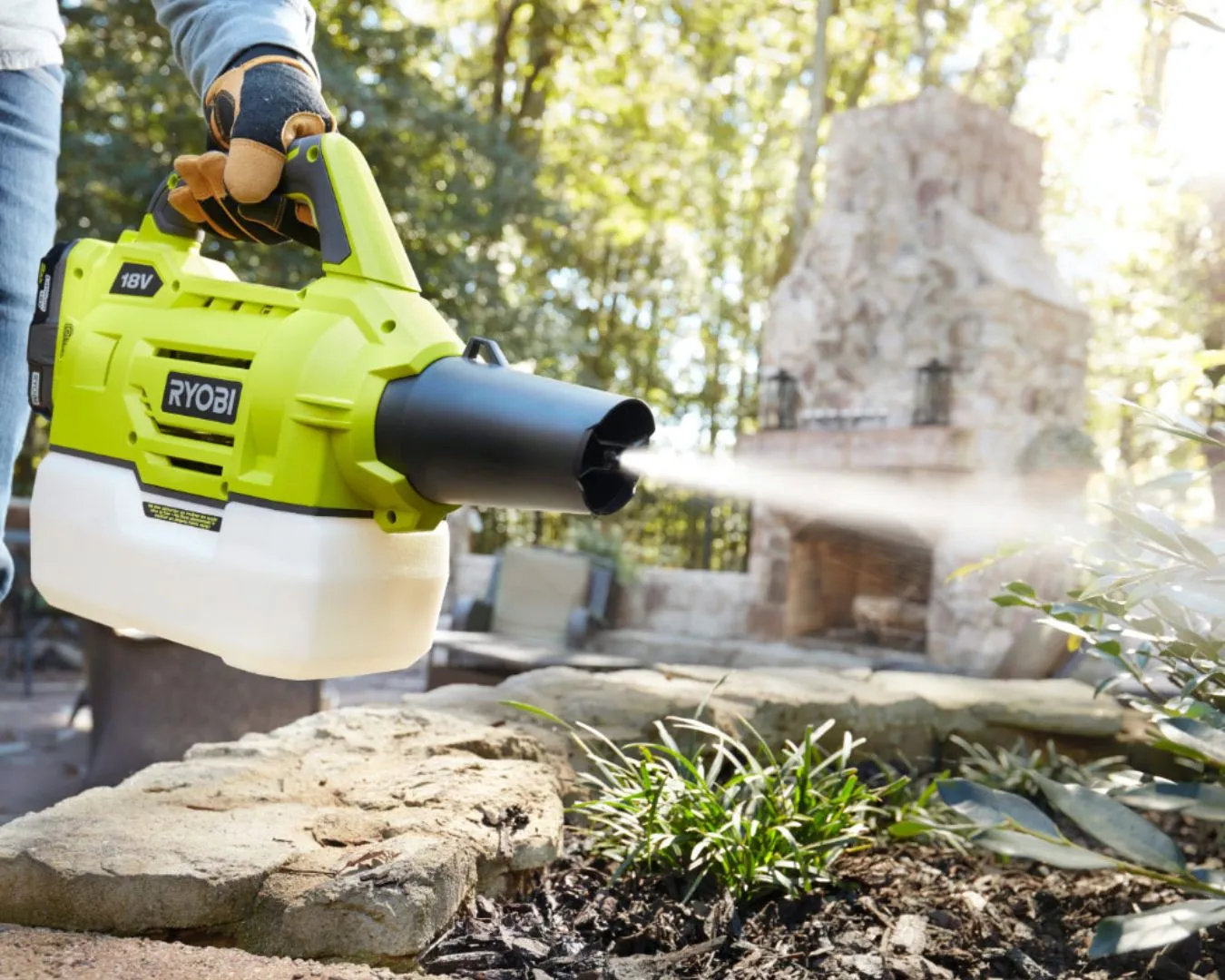
Treatment: Remove standing water where they breed.Use screens on windows and doors.Use mosquito repellent when outdoors.Wear long sleeves and pants.Use mosquito nets while sleeping.