Lizard Management Service
Lizard inspection guidelines: Lizard inspection guidelines usually focus on identifying and sealing entry points into buildings, such as gaps in doors, windows, and walls. Additionally, keeping the area around the building clear of clutter and vegetation can help deter lizards. Inside, minimizing hiding spots like piles of clothing or boxes can reduce the likelihood of lizards taking up residence. Finally, using deterrents like mothballs or repellent sprays can discourage lizards from entering the premises.

Tools for inspection: Magnifying glass or magnifying lens,to examine small details like scales or skin texture.Tweezers or forceps, for handling the lizard or examining specific areas carefully.Flashlight or lamp, to illuminate dark areas or examine the lizard's eyes, mouth, or underbelly.Gloves, for handling certain species or protecting yourself from potential bites or scratches.Measuring tape or ruler, to measure the lizard's size or specific body parts accurately.Camera or smartphone: for documenting observations or capturing images for identification or research purposes.Always ensure you handle the lizard carefully and consider its welfare during inspection.
Do's:Research your lizard's needs.Provide proper housing and diet.Handle gently and regularly.Keep the enclosure clean and monitor health. Don'ts:Don't handle roughly or overfeed.Don't house different species together.Don't expose to extreme conditions.Don't release into the wild or neglect care.
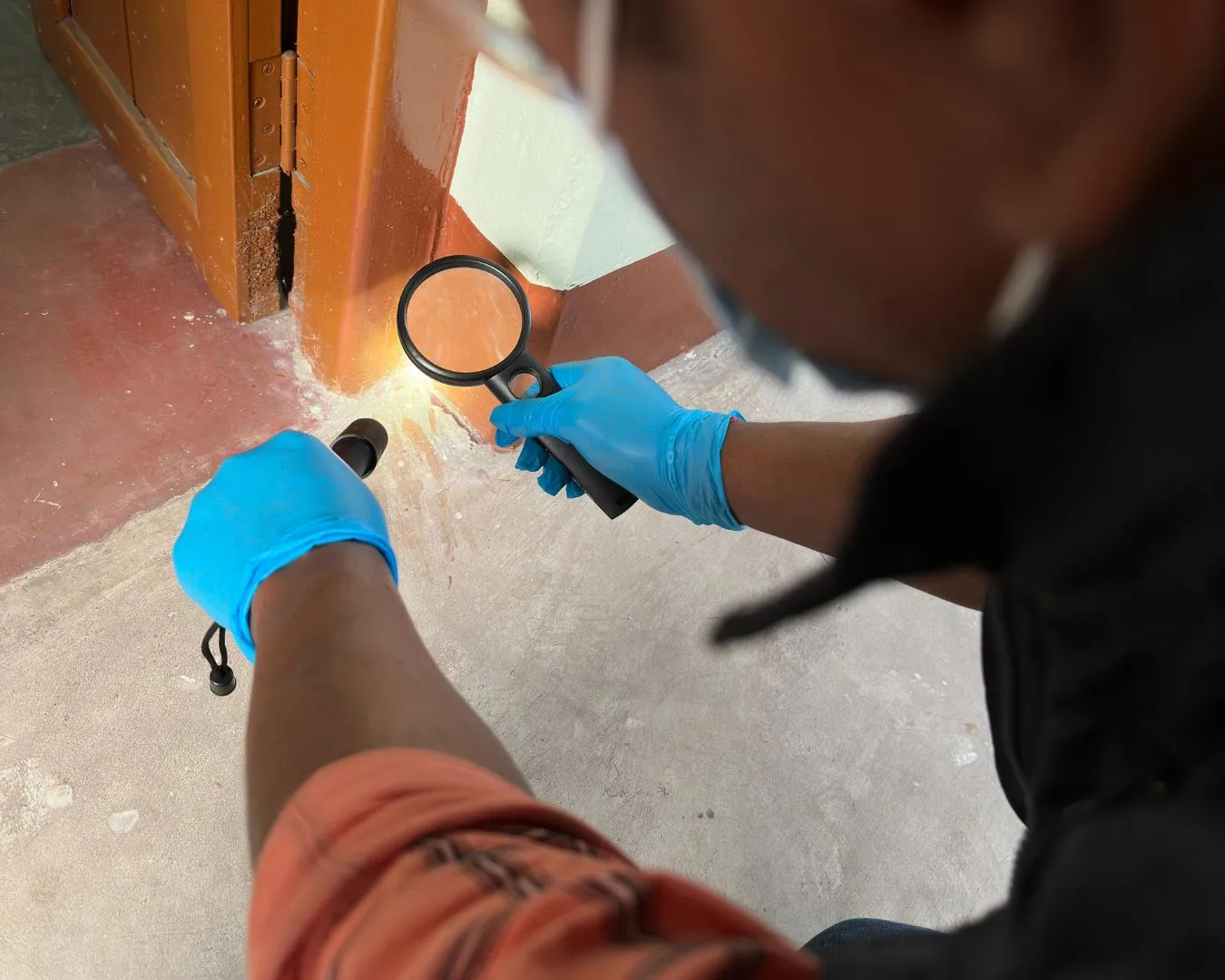
Treatment: Lizards can enter homes through small gaps and cracks in walls, windows, and doors. By inspecting and sealing these entry points, you can prevent lizards from getting inside.Lizards are attracted to insects like mosquitoes, flies, and ants, which are their primary food source. Keeping your home clean and free of food crumbs, spills, and standing water reduces the presence of insects, thereby making your home less attractive to lizards. Naphthalene balls, commonly known as mothballs, emit a strong odor that repels lizards. Placing them in areas where lizards are likely to enter can discourage them. Alternatively, natural repellents like garlic cloves or coffee grounds can also be effective deterrents. Keeping your surroundings clear of debris, such as piles of wood or leaves, reduces hiding spots for lizards and their prey. Additionally, sealing cracks in outdoor walls and ensuring outdoor lighting doesn't attract insects can help prevent lizards from congregating near your home.