Fly Control Service
Fly inspection guidelines: Find dark, secluded areas where inspectors are less likely to look. This could be behind appliances, in cracks and crevices, or within clutter.Minimize your movement during inspection times to reduce the chance of being spotted. Stay still and quiet in your hiding spot. Be cautious not to leave behind droppings, shed skin, or other evidence of your presence that could alert inspectors. Some pests emit odours that attract attention. Try to stay odourless or mask your scent with other environmental smells. Learn the timing and frequency of inspections in your area. Plan your activities accordingly to avoid detection during these times.Be prepared to relocate if your hiding spot becomes compromised or if inspectors begin focusing on your area.

Tools for inspection: Inspection of flies include traps (sticky, baited, or UV light), fly swatters, magnifying lenses, insecticides, sanitation supplies, fly baits, electric fly zappers, fly cameras, and professional pest control services.
Do:Do keep food tightly sealed to prevent attracting flies.Do clean up spills and crumbs promptly.Do use fly screens on windows and doors.Don't: Don't leave garbage uncovered or allow it to accumulate.Don't let standing water collect, as it attracts flies to breed.Don't ignore signs of infestation; take prompt action to control flies.
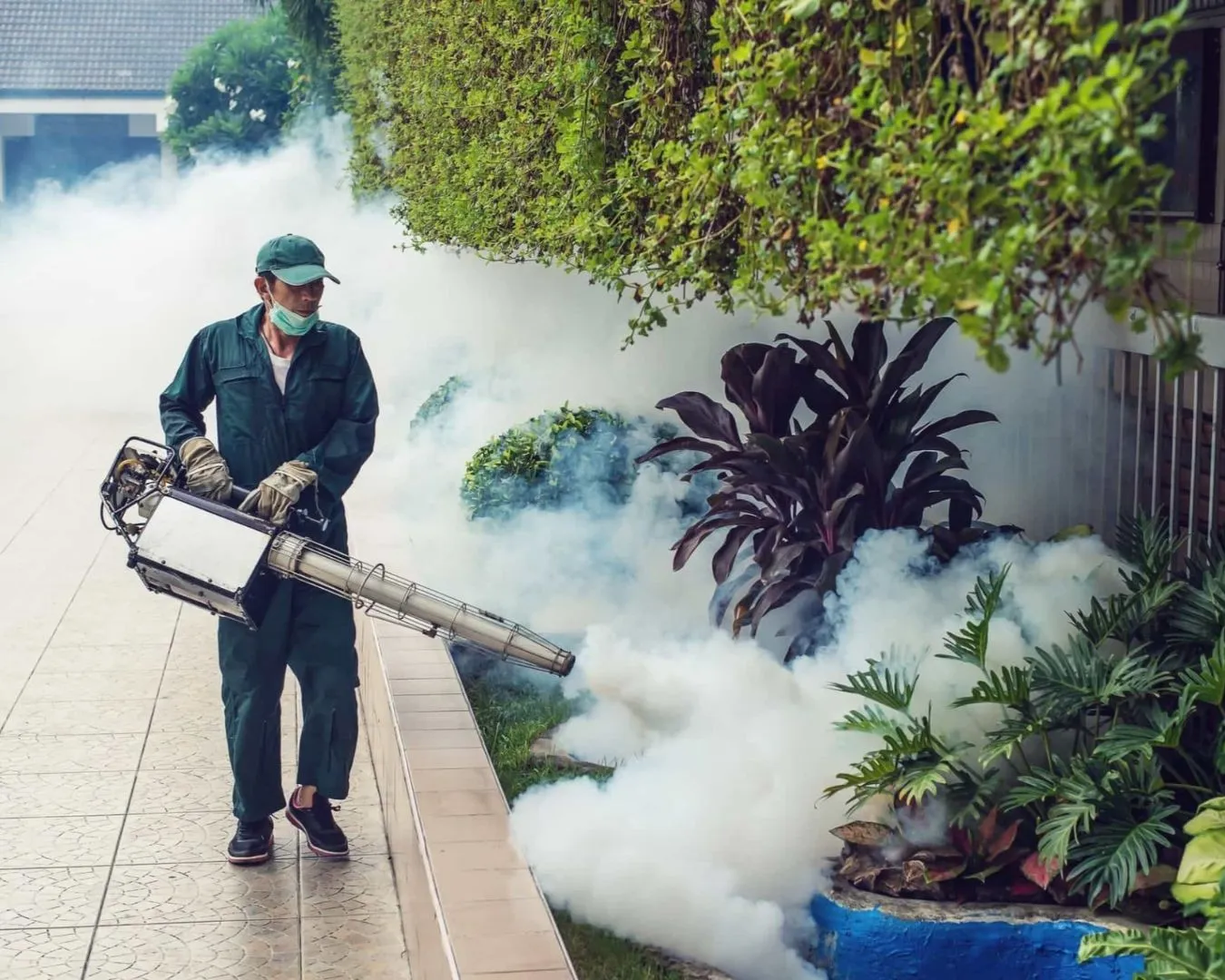
Treatment: Keep areas clean.Seal entry points.Store food properly.Maintain outdoorareas.Use traps.Encourage natural predators.Consider insecticides if necessary.