Bird Management Service
Bird inspection guidelines: When inspecting for birds, check for nests or droppings in and around eaves, vents, chimneys, and gutters. Look for signs of nesting materials such as twigs, feathers, or debris. Check for any openings or gaps in the exterior of the building where birds may enter. Inspect ledges, window sills, and other perching areas for droppings or feathers. Consider installing bird deterrents such as spikes or netting if necessary.
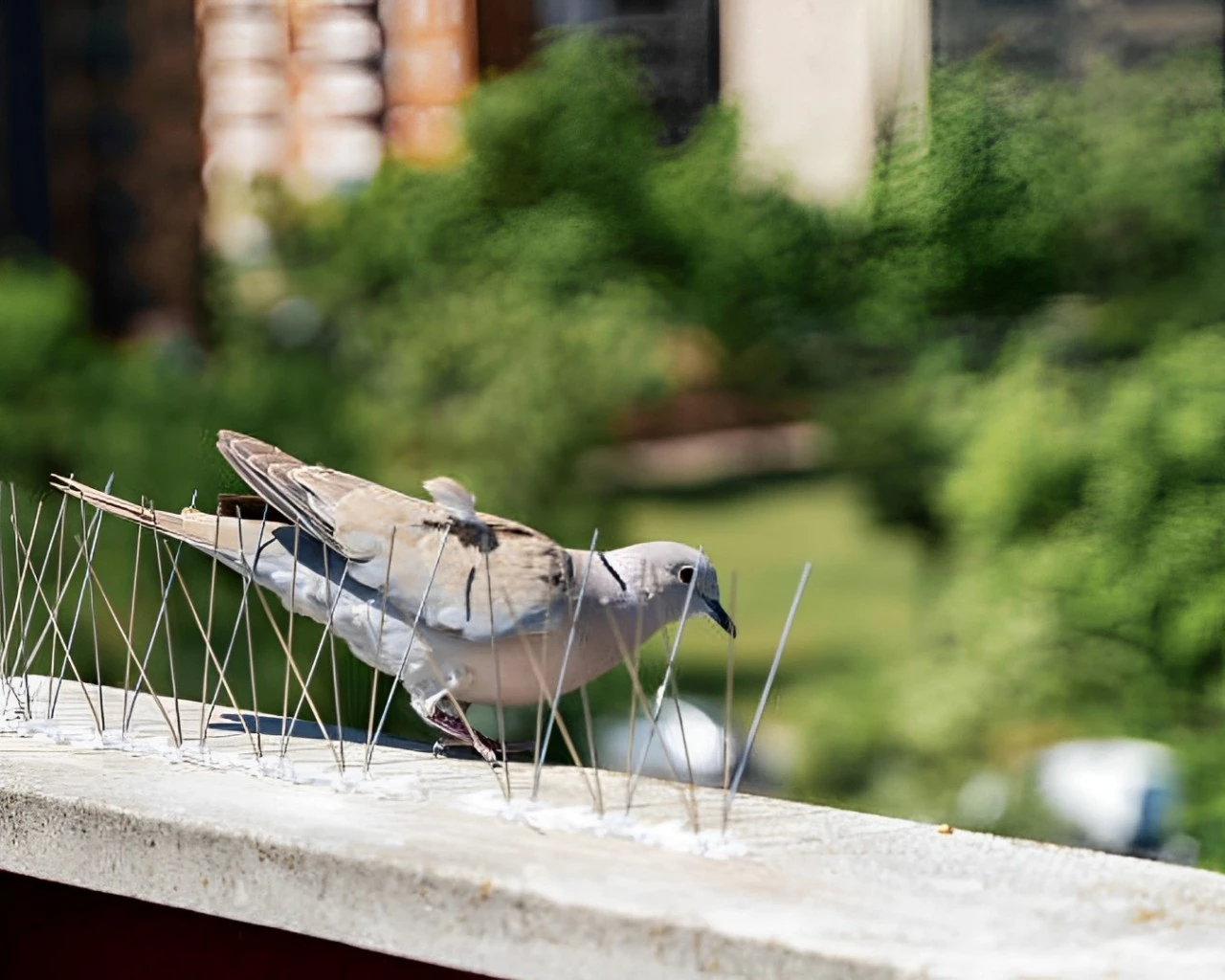
Tools for inspection: Check areas for signs of birds like nests, droppings, or damage.Aid in observing distant or high-up areas.Detect heat signatures in hidden spaces. Explore small or hard-to-reach spaces.Provide aerial views for inspection. Identify bird activity through calls or sounds
Do's:Store food properly.Use deterrents like nets or spikes.Keep your surroundings clean.Trim trees and shrubs.Seek professional advice if needed..Don'ts:Don't feed birds.Don't ignore signs of infestation.Avoid harmful methods.Block potential nesting sites.Don't disturb nests.
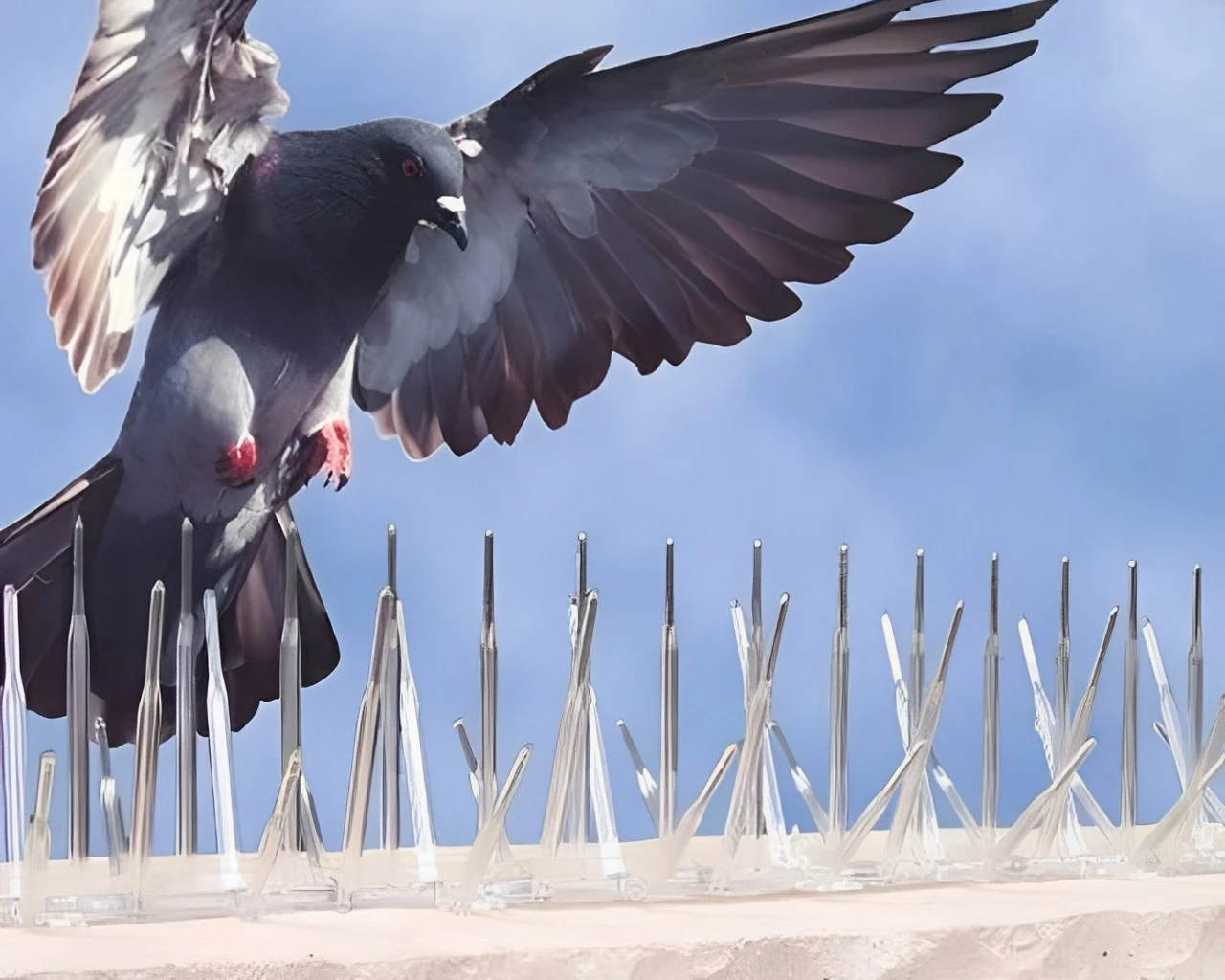
Treatment: Use barriers like spikes or netting on window ledges to prevent birds from nesting. Keep food well-hidden to discourage birds from scavenging. Ensure bin lids are secure and trash bags are not left exposed to prevent birds, particularly crows, from tearing them open. Consider hiring professional bird removal and deterrent services to effectively manage pest birds, minimize property damage, and reduce health risks.Pigeons pose a significant challenge in India due to their adaptability, year-round breeding, and attachment to nesting sites. Additionally, crows' intelligence makes them adept at navigating urban environments. These factors highlight the importance of proactive bird management strategies for businesses.